
Blog
stay informed
Updated regularly, this is where you’ll find full transcripts of the To the Classroom Podcast as well as blogs by Jennifer Serravallo and her colleagues offering practical tips and ideas for teaching and coaching, inspired by the podcast conversations.
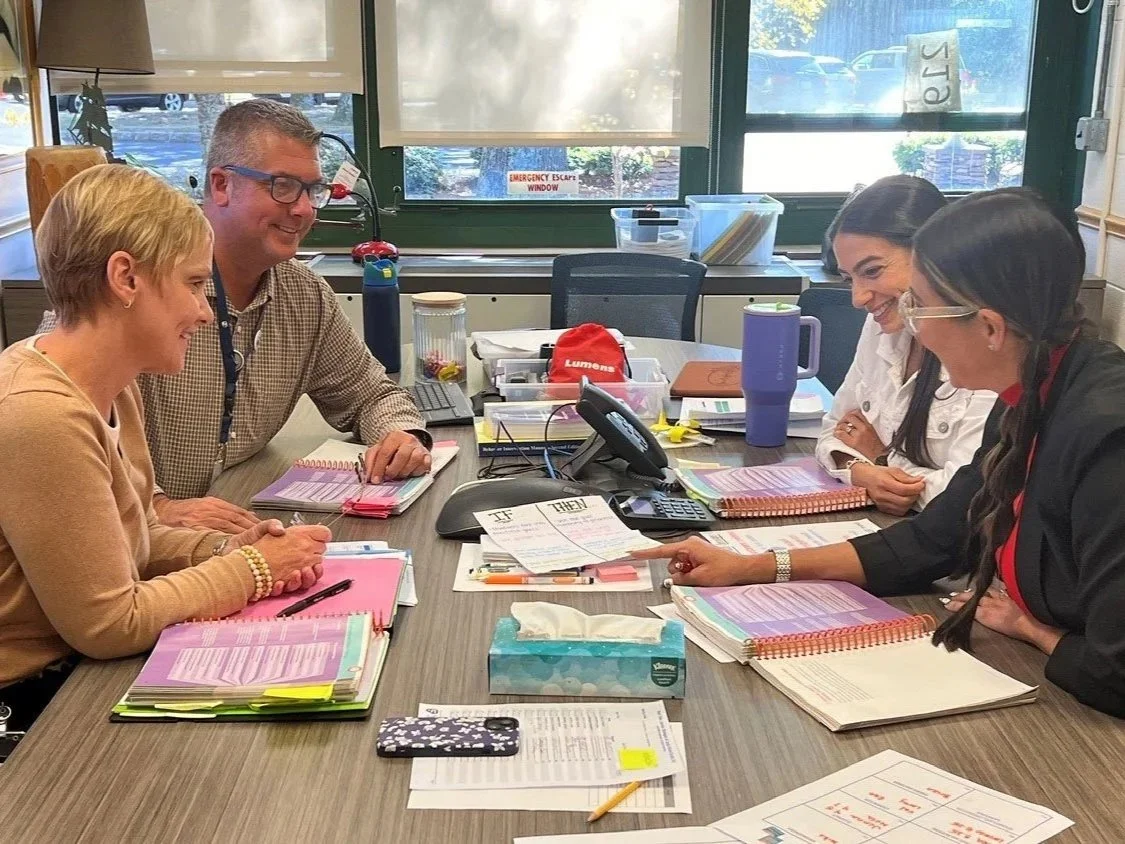
A Response to The Reading League’s “Choosing a Professional Learning Partner” Blog
Literacy Strategies Consulting’s Client Project Coordinator Lea Leibowitz responds to The Reading League’s recent blog about choosing a professional learning partner. We couldn’t agree more with the questions The Reading League poses!

Why Elementary and Middle Schools Should Resist the AI Temptation
The allure of artificial intelligence in education is undeniable. Proponents promise personalized learning, instant feedback, and preparation for a tech-driven future. Yet when it comes to elementary and middle school education, we need to pump the brakes. The very tools marketed as educational enhancers may be quietly undermining the cognitive development that young students desperately need.
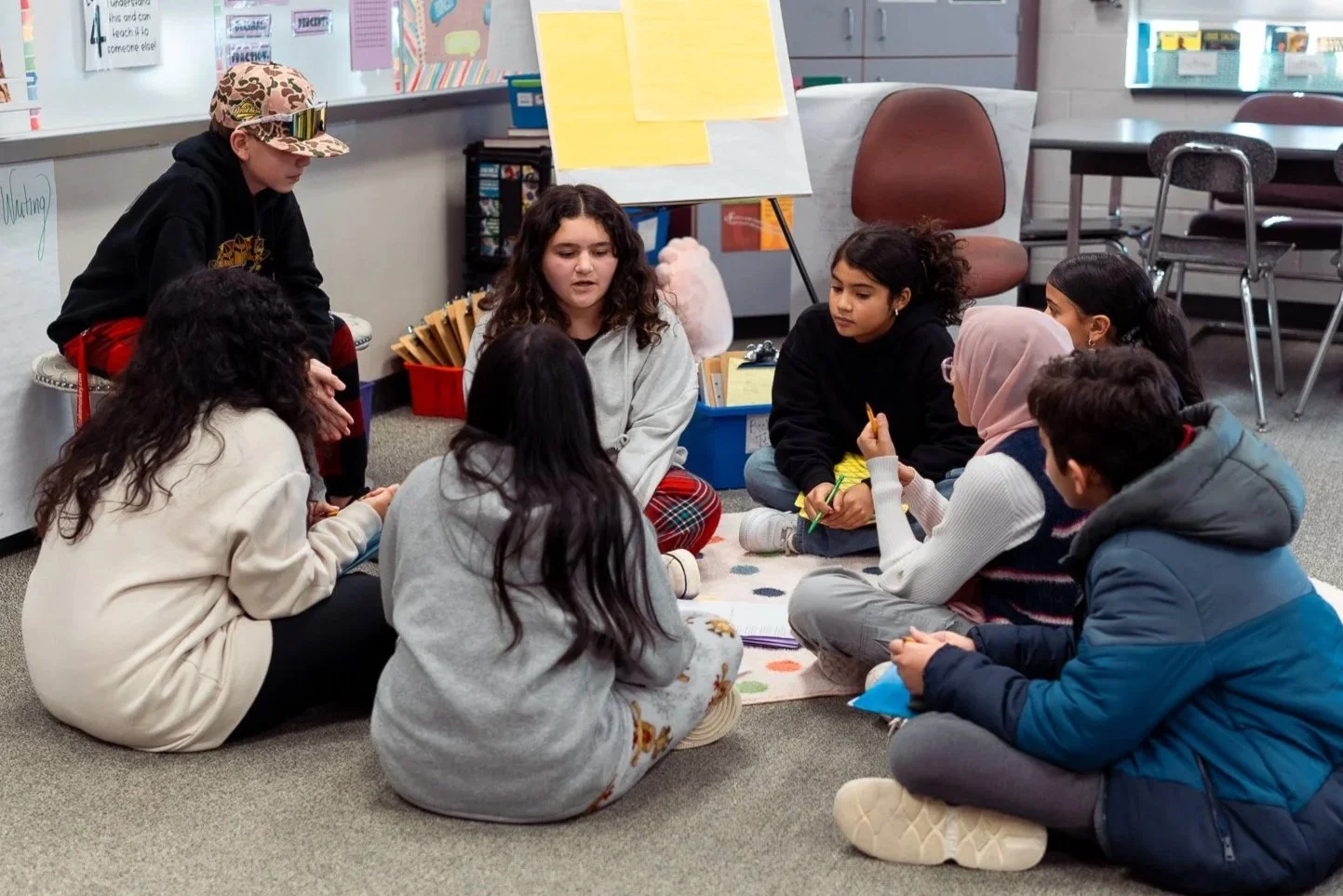
How Teaching Conversation Skills Builds Stronger Readers and Writers
Talk and comprehension feed each other. Kids need to be actively thinking about their reading before discussion, so they show up with something to say. But then the conversation itself deepens their comprehension even further.
Before a single word hits the page, conversation can help writers rehearse, plan, and clarify what they want to say. When a student explains what they are trying to write to a partner, they hear their own thinking. Offering opportunities to for student writers to give peer feedback develops writers who see their drafts through a reader's eyes.
Discussion skills don’t just happen. They benefit from direct instruction, just like everything else. You can instruct students on the specific moves that make a conversation go somewhere, how to extend an idea someone else raised, how to disagree without shutting things down.
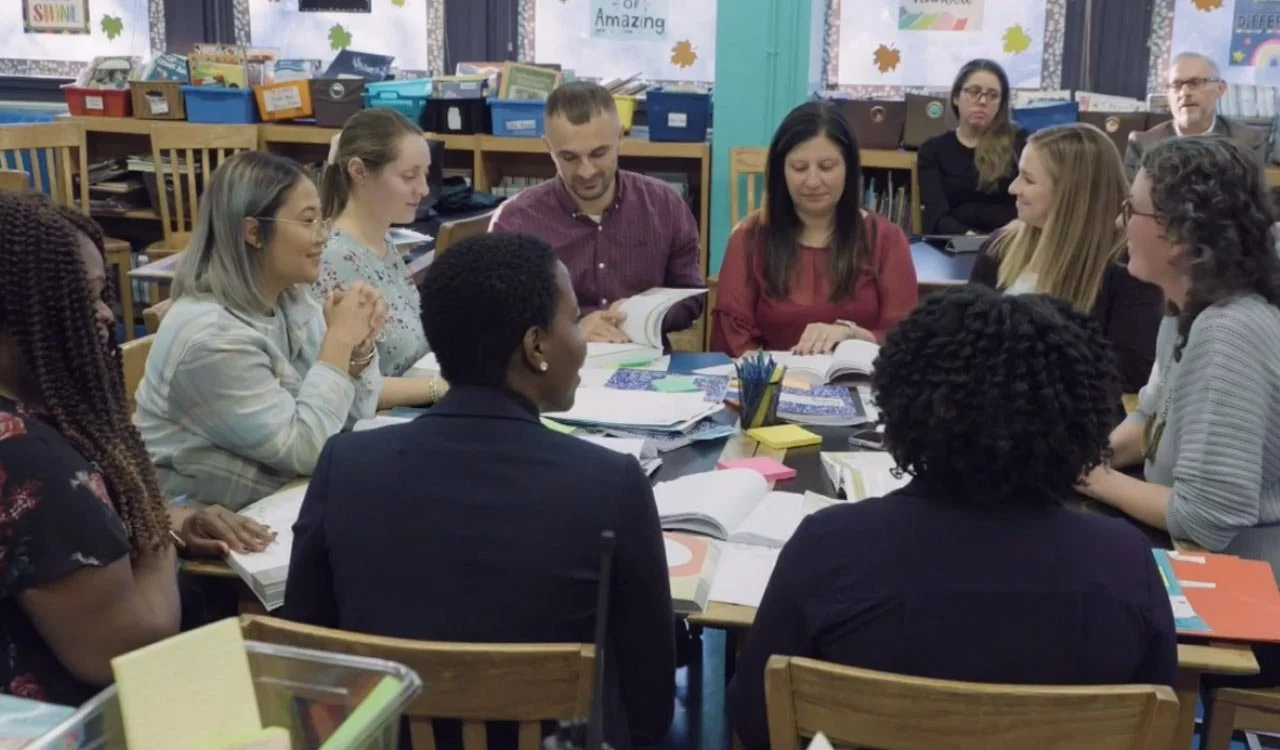
Teaching Is Fundamentally a Human Endeavor:AI-Generated Lesson Plans and the Professional Development Imperative
The rise of AI-powered lesson planning tools has promised to revolutionize education by saving teachers time by generating instant lesson plans. While these tools offer undeniable efficiency benefits, mounting evidence suggests they come with a significant caveat: they cannot and should not replace the nuanced expertise of knowledgeable teachers. In fact, without proper teacher oversight and adaptation, AI-generated lessons may inadvertently push classrooms backward toward outdated pedagogical approaches and content.

Building Bridges Through Stories: How Empathy Education Can Start with Reading and Writing
While empathy is often viewed as an inherent trait, research shows it is a skill that can be cultivated, strengthened, and taught. Empathy involves understanding, feeling, and responding to another’s emotions by actively listening, perspective-taking, and identifying emotions in others. One of the most powerful ways to develop this capacity is through the seemingly simple acts of reading and writing using strategies.
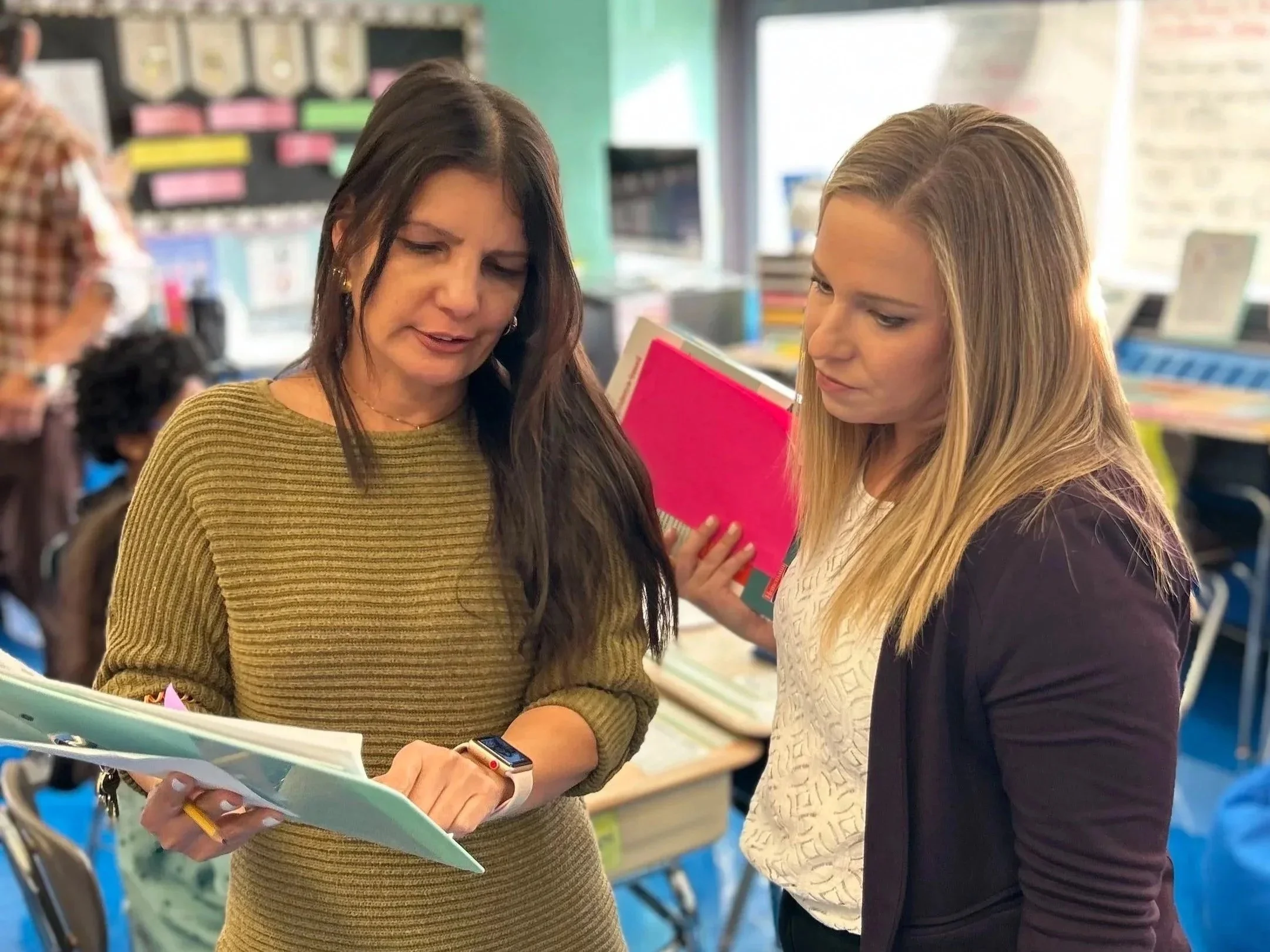
Celebrating Research, Practice, and the Power of Humanizing Professional Learning
One of the greatest privileges of leading a team of literacy specialists is watching their thinking, practice, and impact grow—not only in classrooms, but also in the broader professional conversation. I’m thrilled to celebrate two consultants from my literacy consulting team whose practitioner research was recently published in a peer-reviewed journal. Their article offers a powerful example of what it looks like when professional learning is grounded in teacher voice, classroom realities, and a deep respect for the complexity of teaching writing.
The study, conducted by Jerry Maraia and Macie Kerbs, centers on a yearlong, job-embedded professional learning experience with a team of elementary writing teachers. At its heart is a simple but often overlooked idea: when professional learning is designed with teachers rather than for them, it becomes more than a compliance exercise—it becomes transformative.
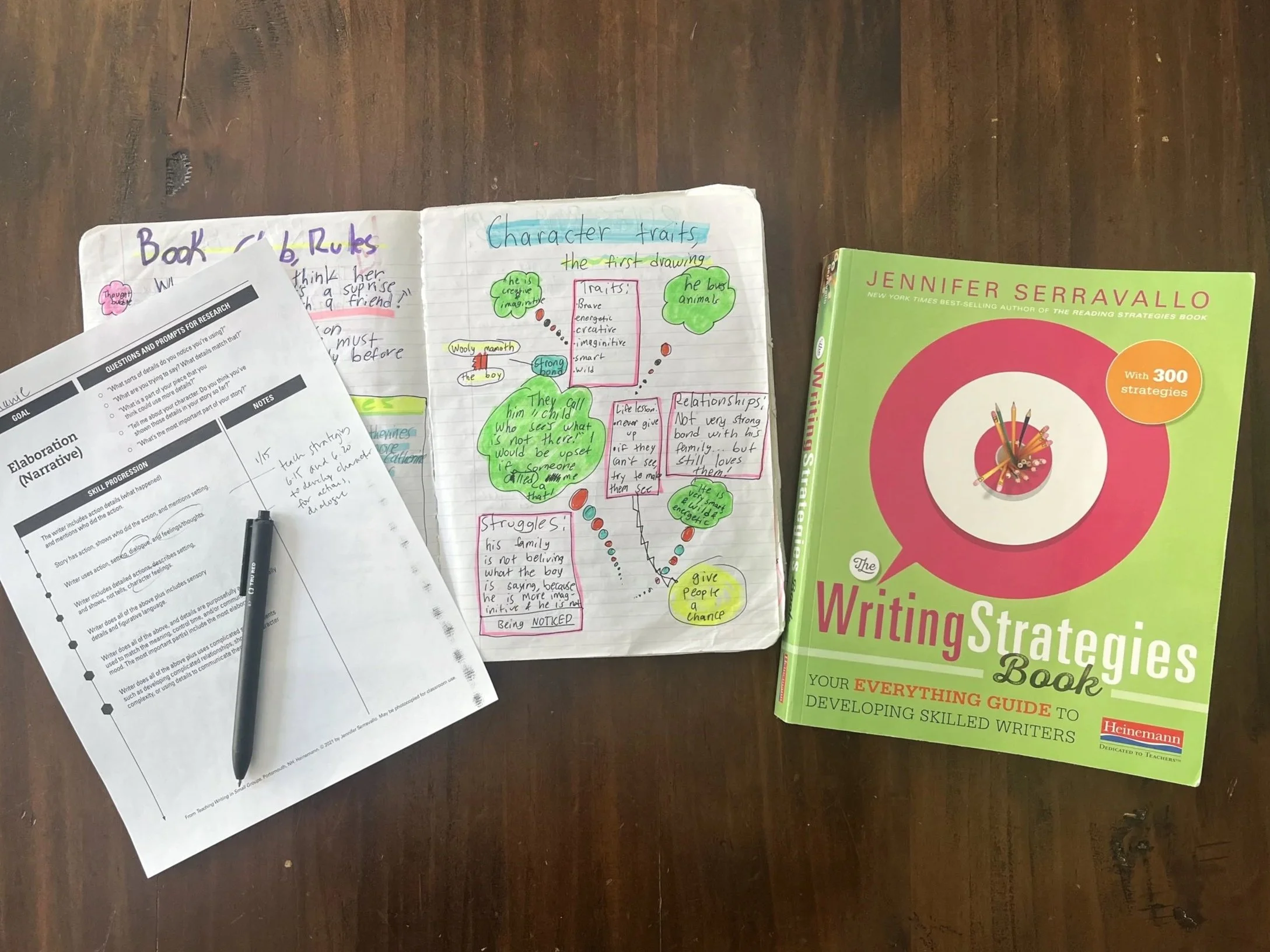
Unlock the Power of Skill Progressions
Teachers should use skill progressions in reading and writing every day. They clarify how skills build over time and in across increasingly complex texts and tasks, providing a roadmap to support students as they move forward with their learning. They make it easy for teachers to match assessment data to targeted strategies, and align strategy instruction with grade-level standards. Teaching students the right strategy at the right time advances and accelerates their learning.

Writing Across the Curriculum
Writing deserves its own place in your daily schedule—probably in multiple spots. Writing is a tool to help students uncover new thoughts and ideas and share what they know. And as research has shown, when writing is taught in balance to reading, students’ writing and reading skills improve.
Students need explicit instruction in how to write informational, narrative, opinion/argument, and poetry pieces and lots of opportunities to put pen or pencil to paper (or fingers on keyboards). The good news is that it’s easier to work in more writing when you realize that writing (like reading) doesn’t belong exclusively in the language arts block. Students should be writing every day, with attention paid to writing in science, social studies, and math, as well as in language arts. Each discipline has its own writing demands and unique genres, so students need plenty of opportunity to practice writing across the curriculum.
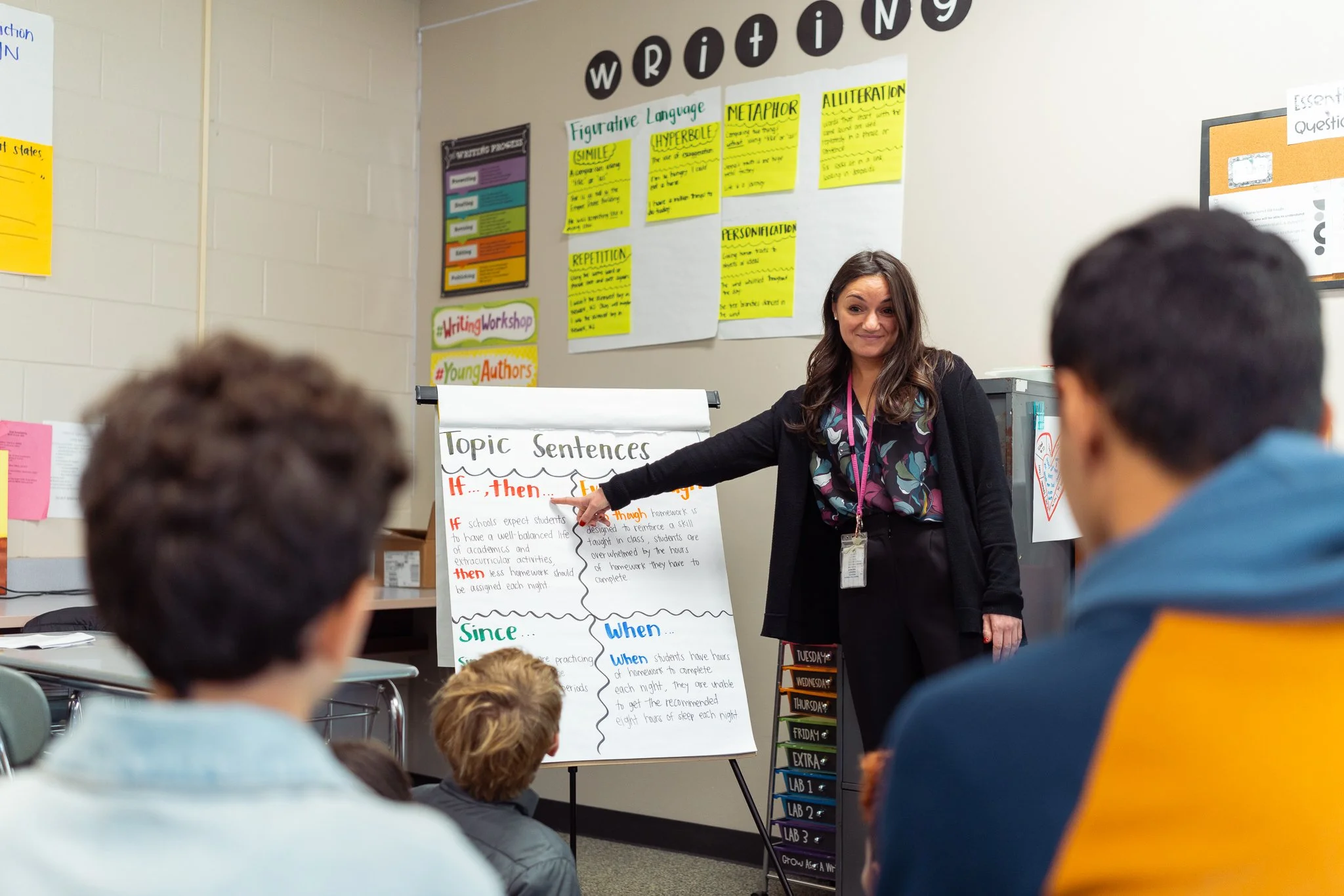
What Does it Mean to Teach Writing? II: Attention to Conventions
The best writers not only have great ideas written in a unique voice, they also sweat the details: spelling, punctuation, grammar. To many students (and adults) thinking about sentence structure or ending punctuation may seem to be the least interesting part of the writing process. But as a writer, I can attest that attention to conventions are key to communicating important ideas clearly, maintaining your expertise, and even writing with craft that makes your writing stand out.

What Does it Mean to Teach Writing? Writing Assignments vs Writing Instruction
Teaching students to write well helps them to become better writers and helps support reading instruction; therefore, writing needs to be taught, not just assigned.

How to Teach Inferring in Narrative II: Strategies That Help Students Explore Theme
How can we teach reading strategies to support inferring about theme? This blog post gives research-based advice and practice use-right-away strategies to for students of any grade level to succeed.

How to Teach Inferring in Narrative: Strategies That Help Students Understand Characters
Students benefit when we don’t just tell them to infer, but explicitly teach them how to do so. Most students need step-by-step guidance showing them how to go beyond what an author states directly, and explore a character’s words, actions, thoughts, and interactions. Learning how to read characters not only improves students’ reading comprehension but also provides them with valuable lessons in how to better understand the people they encounter throughout their lives.

How to Teach Vocabulary: Strategies to Support Word Learning and Build Knowledge
Most words are learned in context—through reading, writing, speaking, and listening. Students acquire vocabulary as they talk with others, explore interests, try hobbies, watch videos, and delve into new content. When students are armed with reading strategies that provide them with multiple ways to figure out new words they encounter on their own in texts, they will have an essential toolkit that allows them to tackle texts with confidence and deepen their knowledge.

How to Teach the Main Idea: Strategies to Develop Skilled Readers
Determining the main idea of an expository text can be challenging especially when the text is complex and includes multiple points of view or different aspects of a topic. Even when students begin reading informational texts, they may home in on intriguing details and have difficulty establishing the main idea. However, to truly comprehend a text, readers must be able to identify the most important content.

Summer Prep: Recharge, Review, Reflect for Literacy Teaching Success this Fall
Discover how K–12 educators can recharge, review standards, and prepare for literacy success with this practical summer guide.

Kids’ Voices Matter: 4 Powerful Reasons to Teach Academic Conversations in the Classroom
Discover how conversation lessons can transform student engagement, deepen reading comprehension, and strengthen oral and written communication—especially for multilingual learners.

Reading to Write: 4 Key Author Craft Elements of Expository Writing
Reading and writing are reciprocal processes. Decades of research shows that improving your reading proficiency improves your writing and vice versa. Helping students become competent writers is critical to success in school and in life. And yet, many teachers tell me that the recent intense focus on building reading skills and content learning can sometimes crowd out time they need to teach students to develop their writing skills. By leveraging reciprocity, though, we can do more in less time so we don’t have to choose between the two.
So, today I’m sharing several suggestions on using guided inquiry lessons (as described in my book Teaching Reading Across the Day) to leverage reading lessons about various elements of author craft into interconnected writing lessons (drawing from The Writing Strategies Book).

8 Ways to Use Video to Build Students’ Reading Skills
Understanding and learning from video content involves many of the same skills that applied to reading text. A thoughtful integration of video into our reading lessons will benefit our students both in and out of the classroom. Here are just a few of the ways that exploring video content is similar to reading texts, and how strategies we use in one context can transfer to another.

Writing About Reading: The Power of the Pencil
Have you ever given students a highlighter and asked them to mark important sections of a text, only to find they’ve highlighted the entire page? Or asked students to record their thoughts in a reader’s journal and discovered that they’ve written nothing? Taking good, usable, purposeful notes isn’t something that comes naturally to all students. Rather it’s a skill we need to teach.

Invest in Teachers, Improve Students’ Literacy
Teachers’ jobs are more challenging than ever. Every educator—from those newer to the profession to veteran teachers—need and deserve quality PD that respects teacher agency and helps them benefit from the latest research, learn new skills, and hone practices that work. And most important, our students deserve teachers who are regularly engaged in refining both the art and science of teaching.
So, what does great professional learning for literacy look like? Based on my decades of experience as a teacher, coach, and leader of a professional learning group, here are a few key elements I focus on…

